
University of Hawaiʻi Astronomy REU 2027: 10 Paid Weeks in Hawaiʻi
Ten weeks of astronomy research in Hawaiʻi with travel, housing and two meals a day provided, plus $700 a week. For US citizens and permanent residents. Deadline January 31, 2027, 11:59 PM ET.

Intern Insider Team
3 min read
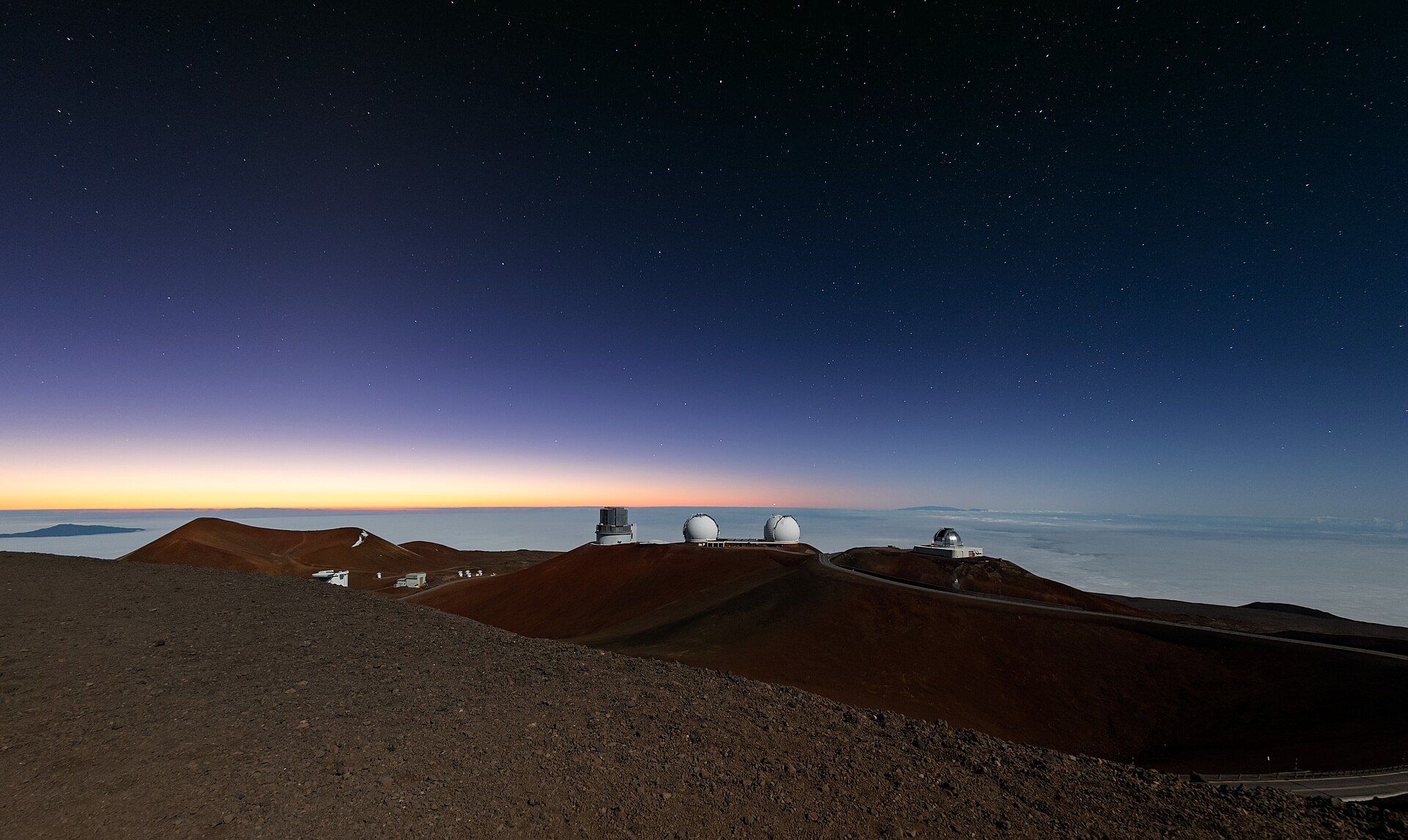
The University of Hawaiʻi Institute for Astronomy runs a 10-week summer research program for undergraduates, funded by the National Science Foundation. The 2027 program runs June 5 to August 14, split between Mānoa on Oʻahu and Hilo on Hawaiʻi Island. Travel to and from Hawaiʻi, housing and two meals a day are provided, and you get a stipend of $700 a week.
Internships like this on Intern Insider#
Paid internships open on our board right now. Each link opens the listing on Intern Insider.
Space Science Institute Undergraduate Intern at Lawrence Livermore National Laboratory, Livermore, CA. $23.26 to $31.62 an hour.
SIParCS Undergraduate Student Internships at UCAR, Boulder, CO. $23.41 an hour.
Nuclear and Chemical Sciences Division Undergraduate Intern at Lawrence Livermore National Laboratory, Livermore, CA. $23.26 to $31.62 an hour.
Statistics Internship at Pfizer, New York, NY. $40 an hour.
Where to apply#
You apply on the National Science Foundation's ETAP site. The program's own page sends you there with its "Apply for the 2027 REU program using NSF ETAP" button.
Apply on NSF ETAP (etap.nsf.gov)
Looking for an internship right now?
We watch the career pages of 200,000+ companies and post new internships the moment they go live. Set your preferences once and get matched with roles that fit.
Who can apply#
The program lists these rules:
Enrolled in a bachelor's degree program when the REU starts.
Not graduating by the summer. Seniors who will graduate by then are not eligible.
A US citizen or a US permanent resident (green card holder).
You don't need to be an astronomy major or minor, and you don't need research experience. The FAQ says a strong science background with math and physics helps, and so do coding skills, usually Python.
It is competitive. The FAQ says they normally get 400 to 500 applications.
What is paid and what is not#
| Cost | What the program says |
|---|---|
| Travel to and from Hawaiʻi | Provided |
| Housing | Provided |
| Meals | Two a day provided |
| Stipend | $700 a week, to cover meals, incidentals and other costs |
| Conferences | Financial support is available to present your research at a professional conference, and toward the cost of publishing in a peer-reviewed journal |
So the third meal and anything extra come out of the $700. Over the 10 weeks the stipend adds up to $7,000 (our math).
What you actually do#
Research with an astronomer at the Institute for Astronomy. On the application you pick two research areas, and they match you with a mentor.
You may join observing runs at telescopes on Maunakea (Hawaiʻi Island) or Haleakalā (Maui).
Daily journal clubs, weekly seminars and talks, lunches with grad students, outreach, and social events and excursions.
A 5-day trip to Hilo on Hawaiʻi Island, with an excursion to Maunakea, outreach programs and cultural education.
At the end you write up your research and give a presentation.
Dates#
| What | When |
|---|---|
| Applications open | November 20, 2026 |
| Application deadline | January 31, 2027 at 11:59 PM ET |
| Final selections | March 2027 |
| Program | June 5 to August 14, 2027 |
Looking for an internship right now?
We watch the career pages of 200,000+ companies and post new internships the moment they go live. Set your preferences once and get matched with roles that fit.
Sources#
Read on November 27, 2026 on the program's own pages: IfA REU program page, IfA REU FAQ and the NSF ETAP listing it links to. Dates and amounts can change. Their page is the one to trust.
Photo: Observatories on Maunakea by NOIRLab/NSF/AURA/T. Matsopoulos, CC BY 4.0, via Wikimedia Commons.
Found this useful? Pass it along.